• You wake up a little groggy.

    Maybe your legs are still feeling yesterday’s demos. Maybe you’re just hoping that first cup of coffee does its job.

    You go through the motions, slowly getting yourself ready for the day… and then you turn on the TV.

    And there he is.

    Already at full speed.

    An analyst mid-rant, leaning forward, voice climbing, hands flying—delivering the hottest take of the day like it’s breaking news. You’ve seen it on ESPN, Fox Sports, Barstool—whether it’s First Take, Undisputed, or whatever show is dominating the timeline that day.

    He’s not just sharing an opinion… he’s declaring it. Absolute confidence. Zero hesitation. This isn’t a discussion—it’s a verdict. Something bold enough, loud enough, and just ridiculous enough to grab your attention and carry the sports conversation for the next 48 hours.

    And as over-the-top as it is… as dramatic, loud, and sometimes downright ridiculous as those moments can be…

    There’s something else happening there that’s easy to overlook.

    Because if you strip away the volume…

    If you look past the theatrics…

    What is that analyst actually doing?

    They’re constructing a clear argument. They’re citing relevant evidence to support their claims. They’re analyzing and synthesizing information. They’re organizing ideas for clarity and impact and addressing counterarguments. They’re justifying their reasoning through structured communication.

    In other words…

    They’re doing exactly the kinds of thinking tasks we say we want students to do when we talk about literacy.

    And nobody questions whether it “belongs” in sports.

    Nobody stops and says,

    “Why are they analyzing?”

    “Why are they explaining?”

    “Why are they defending their thinking?”

    It’s just… part of the culture.

    Expected. Valued. Celebrated, even.

    And right there, we have something powerful.

    A focal point of modern sports culture.

    Something familiar.

    Something students follow, quote, and argue about themselves.

    And yeah… something that fits perfectly in a PE classroom.

    When “Sports Talk” Becomes Something More

    The Hot Take Podcast assessment might be one of the best examples of what I mean when I say literacy in PE doesn’t have to look like literacy.

    It’s loud.

    It’s performative.

    It’s energetic.

    And at first glance, it might even make you stop and ask,

    “Wait… is this really literacy?”

    That’s exactly why it works.

    Some of the most effective assessments I’ve ever used in my classroom have one thing in common: they’re performative in nature. Students aren’t just completing a task—they’re stepping into a role. An analyst. A commentator. A personality.

    And in today’s world, that matters.

    The “sports analyst” isn’t just a TV role anymore—it’s a lane students recognize. Whether it’s ESPN, YouTube, TikTok, or podcasts, the idea of having a voice, sharing an opinion, and building an audience isn’t just entertaining… it’s aspirational.

    This assessment taps directly into that.

    Students grab a partner—or a small group—hit record, and argue away. They debate. They interrupt (respectfully… most of the time). They double down. They react.

    And somewhere along the way, something important happens:

    It stops feeling like an assignment… and starts feeling like a performance.

    And when it comes to recording and editing, the barrier to entry is lower than ever. Tools like Adobe Podcast, along with other student-friendly platforms like GarageBand, WeVideo, or even simple voice memo apps, make it easy for students to capture and polish their work. Most of them require little to no prior experience, which means students can focus more on their ideas and delivery—and less on the tech side of things.

    Where the Literacy Lives

    Now here’s where it gets really interesting.

    Because this isn’t just fun for the sake of fun. This isn’t just kids “talking sports.”

    This is a literacy goldmine.

    Let’s go back to those analysts.

    What are they actually doing?

    They’re making a claim, backing it up with evidence, analyzing what happened and explaining why it matters. They’re responding to opposing viewpoints. They’re defending their reasoning with confidence.

    That’s high-level thinking.

    That’s literacy.

    And the best part?

    Students don’t need to be convinced that it matters. They already believe it does.

    There’s something about debate that just clicks for so many students. It feels authentic. It feels worthwhile. It feels like something they already do in the real world.

    And once that buy-in is there…

    Everything else gets easier.

    And as a PE teacher, this is where it gets really fun. Because while they’re busy debating, arguing, and performing…

    You’re sitting there thinking:

    “Look what I just got them to do.”

    And if you’re wondering what this actually sounds like in practice, it can be as simple as giving students a strong prompt and letting them run with it.

    Questions like:

    -What’s more important for winning: offense or defense?

    -What is the “ultimate team sport,” and why?

    -Which role is most important on a team? (What sport specific positions)

    -What skill has the biggest impact on success in this sport?

    -LeBron or Jordan — who’s the GOAT?

    -Steph Curry: changed the game or ruined it?

    Simple questions.

    But the moment students start answering them, they’re building arguments, using evidence, and defending their thinking—just like the analysts they see every day.

    Sneaking In the Rest (Without Killing the Vibe)

    Here’s where this can go from a great activity… to a really powerful learning experience.

    Because while the debate and podcast piece hits speaking and listening hard, there are plenty of opportunities to layer in other forms of literacy without changing the feel of the task.

    You just have to be a little strategic.

    For example, if students are building an argument, why not give them access to short texts, clips, or data points that support different sides of the claim?

    From your perspective, you’re adding reading, analysis, and evidence-based reasoning.

    From their perspective?

    You’re giving them ammunition.

    Same task. Different lens.

    You can do the same thing with writing.

    Instead of handing out a traditional worksheet that says:

    “Write your claim here.”

    “Cite your evidence here.”

    …give them something that feels like prep.

    A quick note sheet.

    A debate board.

    A “talking points” organizer.

    Something that helps them capture their ideas, plan their responses, and organize their thinking before they hit record.

    They’re writing.

    They’re organizing.

    They’re refining their thinking.

    But it doesn’t feel like writing in PE.

    That’s the difference.

    The Hot Take Podcast is a simple way to turn sports conversations into meaningful learning.

    Students take a position, support it with evidence, respond to opposing ideas, and communicate their thinking with purpose.

  • Over the last several months, I’ve been fortunate enough to spend a lot of time working directly with teachers—presenting at conferences, having conversations in hallways, even hopping on video calls to talk through this crazy little idea I’ve become pretty proud to champion.

    And I’ll be honest…

    When I first started this journey—not just pursuing academically rigorous PE in my own classroom, but encouraging others to do the same—I had a pretty good sense of what would land with people… and what wouldn’t.

    There were ideas I felt confident the general population of physical educators would accept and appreciate.

    And then there were others…

    The ones I was convinced would get shut down immediately.

    So it’s been incredibly encouraging—honestly, a little surprising—to see how many teachers have been open to this kind of work. At the very least, I’ve seen thoughtful, caring educators open their minds… and maybe more importantly, their hearts… to adding new tools and skill sets, all with the same goal: better serving their students.

    The Concern That Keeps Coming Up

    Out of all the conversations I’ve had, one concern shows up more than any other when we start talking about adding literacy and higher-level thinking into PE:

    Grading.

    And I’ll be honest again…

    My initial reaction is usually to laugh.

    That’s the thing holding you back?

    But the more I’ve sat with it, the more I’ve come to understand it.

    I’m not here to climb up on a soapbox about how hard teaching is—or compare one content area to another—but I do think it’s worth acknowledging something:

    There is a physical element to teaching PE that most other content areas don’t carry in the same way.

    For those of us who are truly teaching—moving, demonstrating, engaging, managing, coaching—the job is taxing. And I completely understand why the idea of going home to a stack of writing assignments feels overwhelming.

    Especially when your brain immediately jumps to something like:

    “Wait… am I grading this like an English teacher now?”

    You start picturing yourself at your kitchen table at 9:47 PM…

    Red pen in hand…

    Rubric pulled up…

    Looking for thesis statements, transitions, citations…

    MLA format??

    Like we didn’t all just learn that in college, memorize it long enough to pass a paper, and then immediately clear it from memory to make room for squat cues and warm-up routines.

    That hesitation is real.

    But here’s the good news:

    It doesn’t have to be that complicated.

    Let’s Paint the Picture:

    You did it.

    You gave your students a writing-based assessment.

    And to your surprise… more than just your usual two or three “school-first” students actually turned something in.

    Now here comes the moment of panic:

    “I’m not an ELA teacher…”

    You’re right.

    And you’re not supposed to be.

    Support Literacy… Don’t Become the ELA Department

    This is one of the most important shifts to make:

    Your job is not to teach literacy.

    Your job is to support it.

    That means giving students opportunities to practice the skills they’re learning in their ELA classes—through the lens of physical education.

    And if the task is designed well, something powerful happens:

    The literacy work they’re doing… is also working for you.

    What You Actually Need to Look For

    Let’s say your students wrote a creative piece about a volleyball match.

    Yes—they were practicing writing.

    But from your perspective as a PE teacher, the real question is:

    Do they understand the vocabulary? (pass, set, hit) Do they understand when and why those skills are used? Can they accurately describe what’s happening in the game?

    Or maybe it’s a basketball unit:

    Do they understand when to shoot vs. pass? Can they explain spacing, timing, or decision-making?

    That’s your lane.

    And here’s the part I think a lot of teachers need to hear:

    That doesn’t take four hours to assess.

    You don’t need to become the grammar police.

    You don’t need to break out MLA guidelines like it’s freshman comp.

    You don’t need to sit there debating comma usage like your old college professor.

    You gave them the opportunity to practice those skills.

    Now you evaluate what matters for your classroom.

    Did they use the vocabulary correctly? Did they demonstrate understanding of the skill or concept? Did their response show thought and effort?

    If the answer is yes…

    You did your job.

    Final Thought

    When we overcomplicate grading, we create barriers that don’t need to exist.

    But when we simplify it—when we stay in our lane as physical educators—we unlock something powerful:

    Students get to practice real academic skills…

    in a space where they already feel comfortable and confident.

    And in return, we get a clearer window into what they actually understand about movement, strategy, and performance.

    That’s not extra work.

    That’s better teaching.

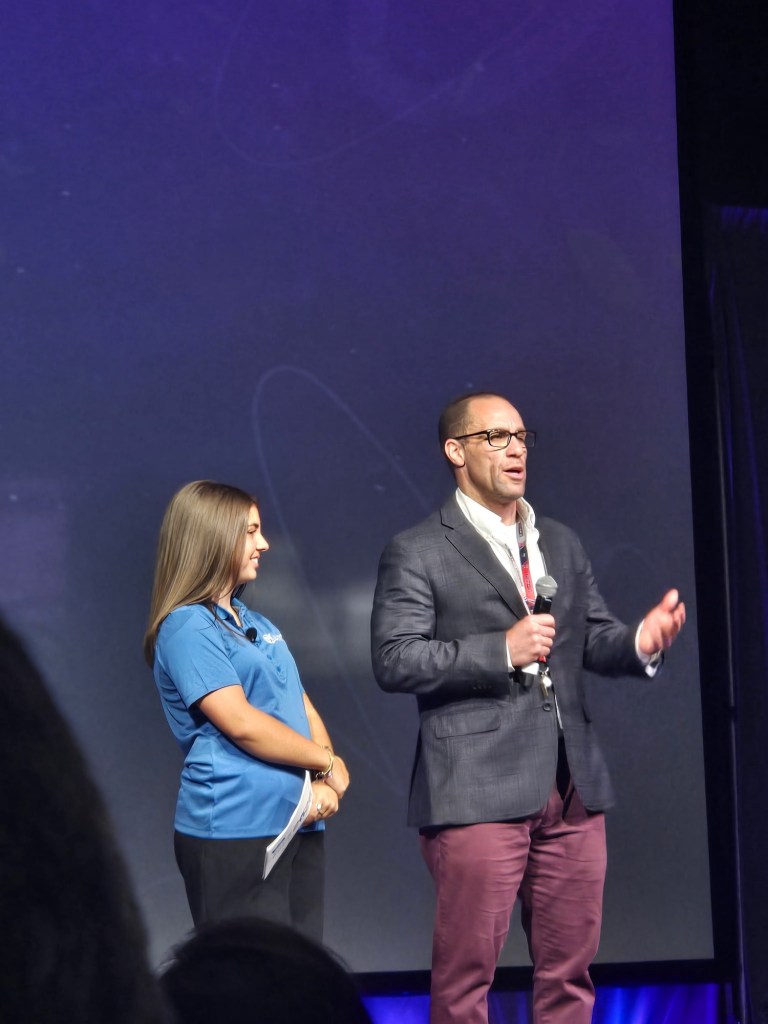
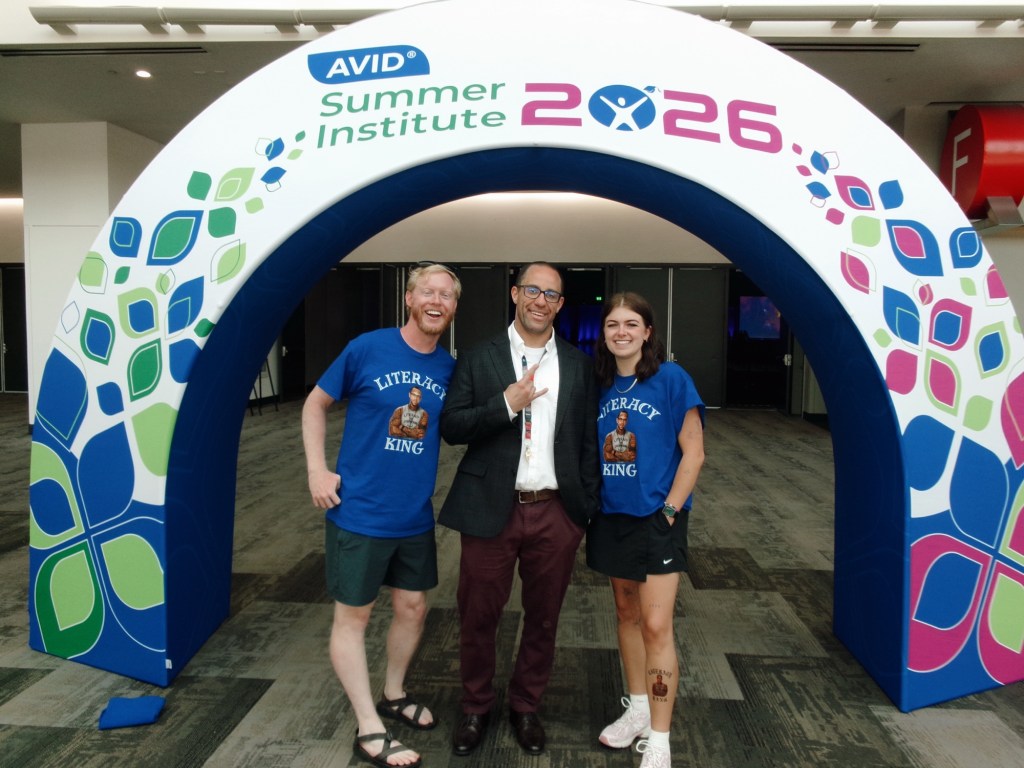
    I am pleased to announce that I will be a featured speaker at AVID Summer Institute in San Diego this June…
  • First and foremost, thank you to everyone who attended my sessions at the SHAPE Utah Conference. I’m always grateful for the opportunity to collaborate with educators who are passionate about strengthening physical education and expanding what our classrooms can offer students.

    One of the best parts of presenting is hearing how other teachers adapt ideas to fit their own schools, grade levels, and program goals. To help continue those conversations, I’ve included a brief recap of each session below along with the resources shared during the presentations.

    Session 1

    Literacy in Physical Education: Easier (and More Fun) Than You Think

    One of the biggest misconceptions about literacy in PE is that teachers are expected to teach English Language Arts directly. In reality, our role is to support literacy by giving students opportunities to practice reading, writing, speaking, and thinking skills through the lens of physical activity.

    When designed well, literacy doesn’t interrupt movement—it enhances understanding, engagement, and connection to the activity.

    During this session we focused on three key ideas:

    Supporting Literacy vs. Teaching Literacy

    Physical educators don’t need to become ELA teachers. Instead, we create authentic opportunities for students to explain movement, analyze gameplay, communicate strategy, and reflect on performance.

    Relevance Drives Engagement

    Many literacy strategies in PE fall flat because they are only relevant to sports, not to students. When tasks don’t connect to the learner’s experience, literacy becomes an obstacle instead of a tool that supports activity.

    Example Assessment: Courtside Commentary

    A major focus of the session was an assessment called Courtside Commentary, where students step into the role of a sports commentator. They observe a basketball game or scrimmage and provide structured commentary explaining key moments and decisions in the game.

    The activity keeps gameplay as the centerpiece while giving students opportunities to practice skills like:

    • observation
    • explanation
    • analysis
    • evidence-based reasoning
    • sport communication

    You can explore the full presentation slides here:

    Implementation Tools for Courtside Commentary

    Small supporting activities can expand the literacy impact of the assessment while helping students succeed during their commentary.

    These tools can also serve as stand-alone literacy strategies, especially for elementary PE or shorter class periods.

    Examples shared during the session included:

    • Ball Talk – structured partner discussion about gameplay and decisions
    • Habits People Have – identifying patterns in player behavior
    • Sideline Signal Callers – using visual signals and terminology to communicate game moments
    • The Announcer Effect – analyzing how commentary changes how we interpret a sports play

    Additional Resource

    During the session, we talked about the importance of moving beyond framing literacy in PE simply as “reading” and “writing,” and instead thinking about the literary actions we want students to perform—things like explaining, analyzing, citing evidence, identifying patterns, or communicating ideas.

    While I didn’t dive deeply into this during the presentation, I’m including a resource here for those who want to explore that concept further. This document reframes literacy skills from an action-based perspective, showing the types of thinking students engage in when they read, write, and communicate.

    The document is intentionally large and not meant to be read in one sitting. Instead, it’s designed as a reference tool that allows PE teachers to see what literacy standards look like when translated into clear, actionable classroom tasks. Each skill also includes an example of how it might appear in a physical education setting.

    Session 2

    Building Student Ownership in Strength and Conditioning

    The second session explored how thoughtful program design can create safer, stronger, and more engaging strength and conditioning classes.

    Rather than relying entirely on coach-designed workouts or giving students total freedom too early, this model focuses on structured autonomy—students earn independence after demonstrating knowledge, technique, and responsibility.

    Key ideas from the session included:

    The Autonomy Promise

    Students are more motivated when they know they will eventually have the opportunity to train in ways that support their own athletic goals.

    Non-Negotiables That Build Culture

    Successful weight rooms establish clear expectations around safety, shared training language, and consistent effort.

    Technique as the Gateway to Independence

    Students learn four primary lifts through structured mini-units and pass-offs before incorporating them into independent training:

    • Trap Bar Deadlift
    • Traditional Deadlift
    • Bench Press
    • Squat

    Calibrating Expectations

    At the middle school level, the goal is not perfect technique but safe, repeatable movement patterns that high school programs can continue to develop.

    Both sessions ultimately centered on the same idea:

    Thoughtful design drives engagement.

    Whether we’re building literacy opportunities in the gym or designing strength programs in the weight room, the most effective classrooms are those where students feel ownership, purpose, and connection to the work they are doing.

    Thank you again to everyone who attended and contributed to the conversation.

  • Reflection is one of the first tools PE teachers turn to when they want to add literacy into their classes. And why wouldn’t we? It seems simple. It’s quick. It checks a box. It gives students a chance to process what they learned.

    At least… that’s the idea.

    But here’s the honest truth:

    Most reflection prompts in PE don’t work the way we hope they will.

    We picture students pausing, thinking deeply, self-assessing honestly, and making meaningful connections to their learning.

    What we actually get?

    “I did good.” “It was fun.” “I tried my best.” “We played basketball.”

    Surface-level. Predictable. Rushed. And completely disconnected from the kind of meaningful reflection that strengthens movement, confidence, and skill development.

    And it’s not because students can’t reflect.

    It’s because the way we typically ask them to reflect simply doesn’t feel worth their time.

    Students want reflection to feel personal.

    They want it to feel connected to their actual physical and emotional experience.

    They want it to feel like something real, not something mandatory.

    And that’s where creative reflection changes everything.

    Where Creative Reflection Changes Everything

    Traditional reflections often fall flat because they ask students to talk about themselves in a way that feels forced, vague, or high-pressure. What many students really need is a reflective task that lowers the stakes, sparks curiosity, and still reveals what they learned.

    That’s where one of my latest creative approaches to literacy in PE comes in.

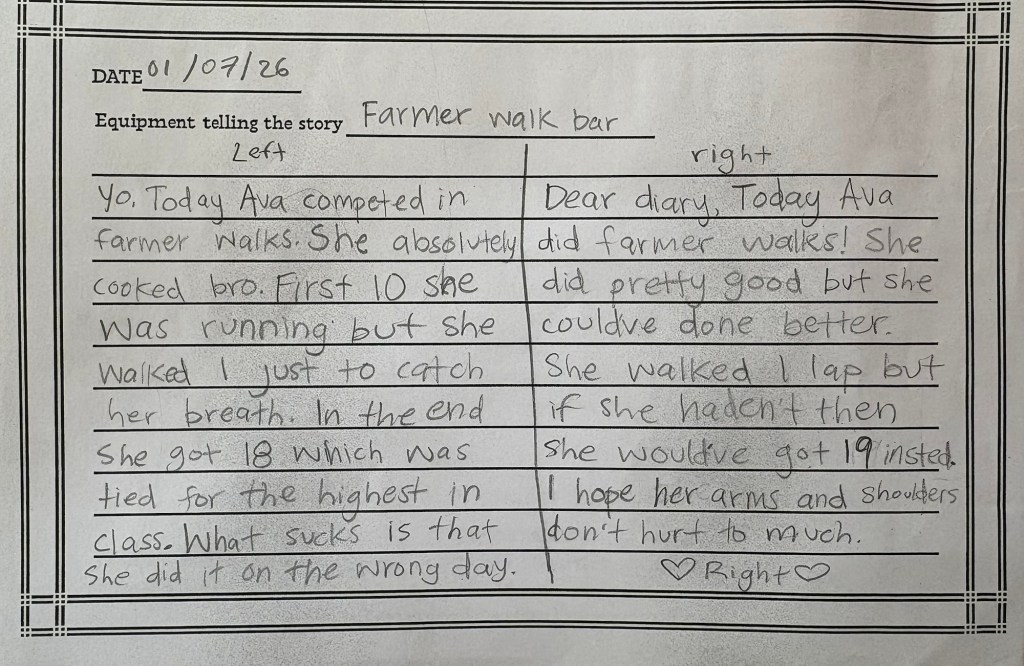
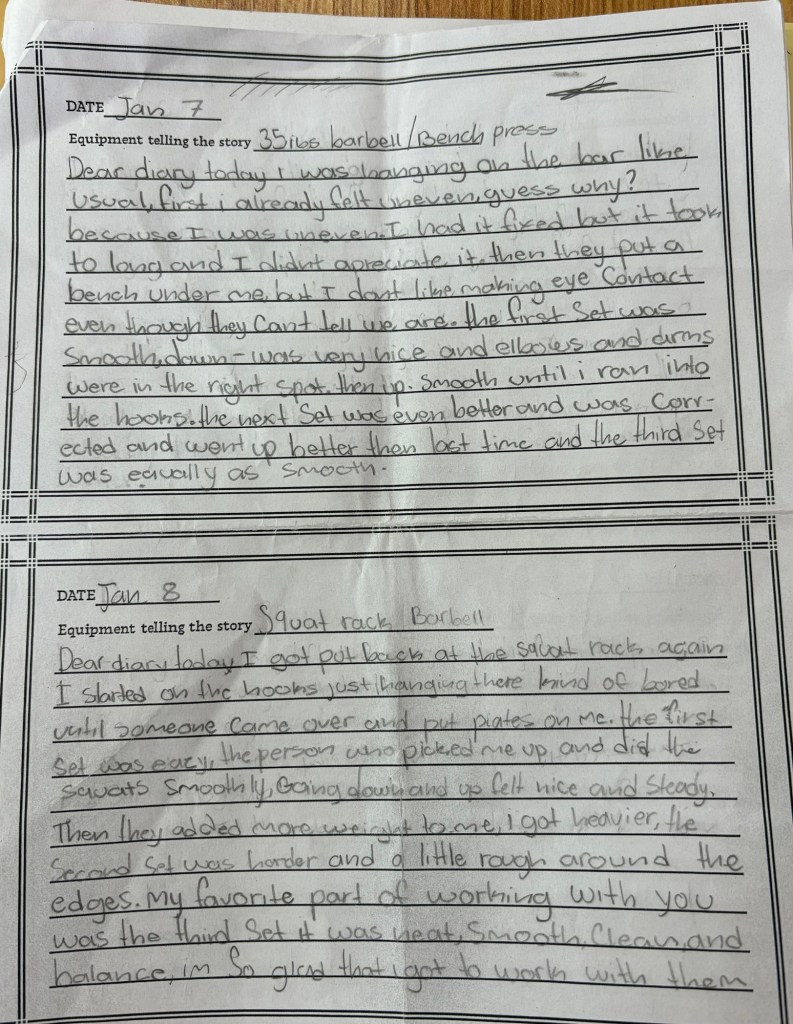
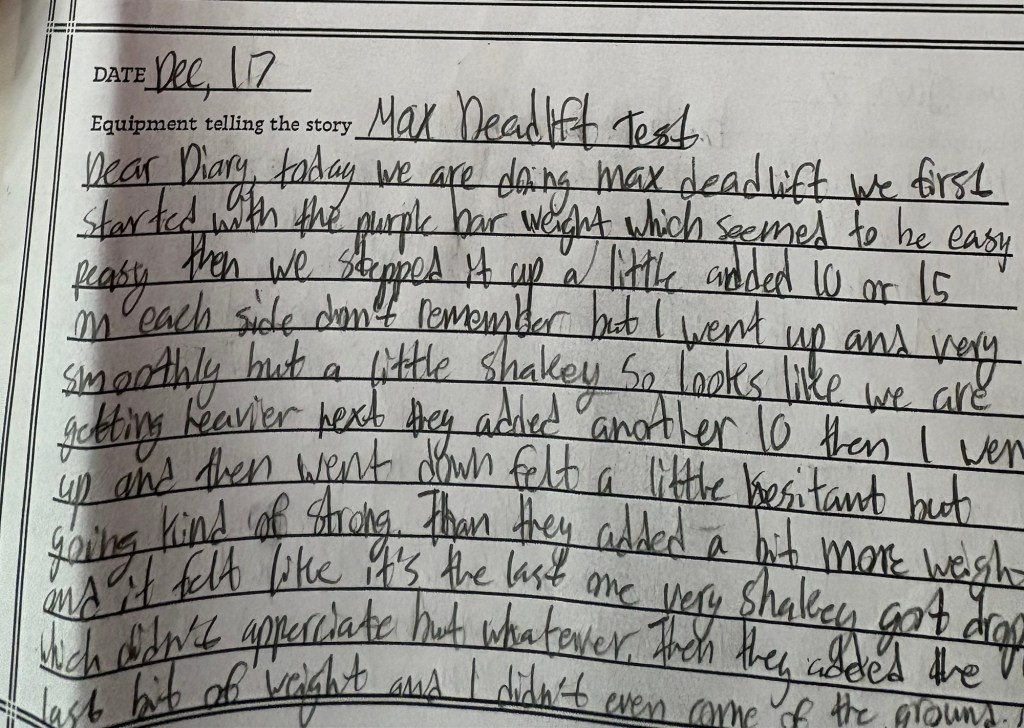
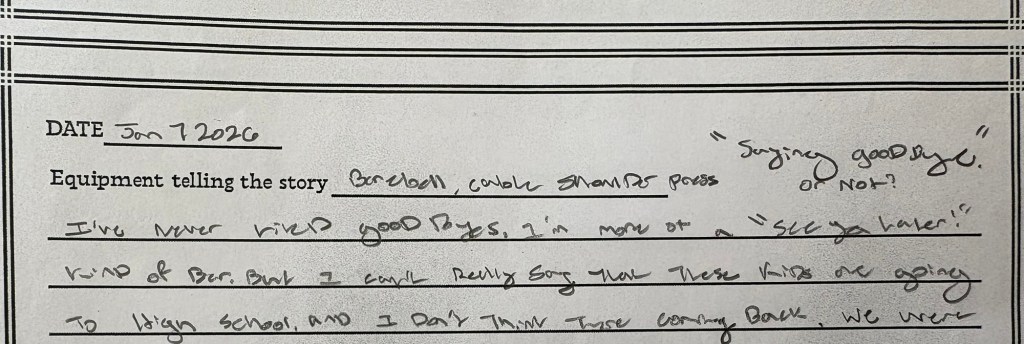
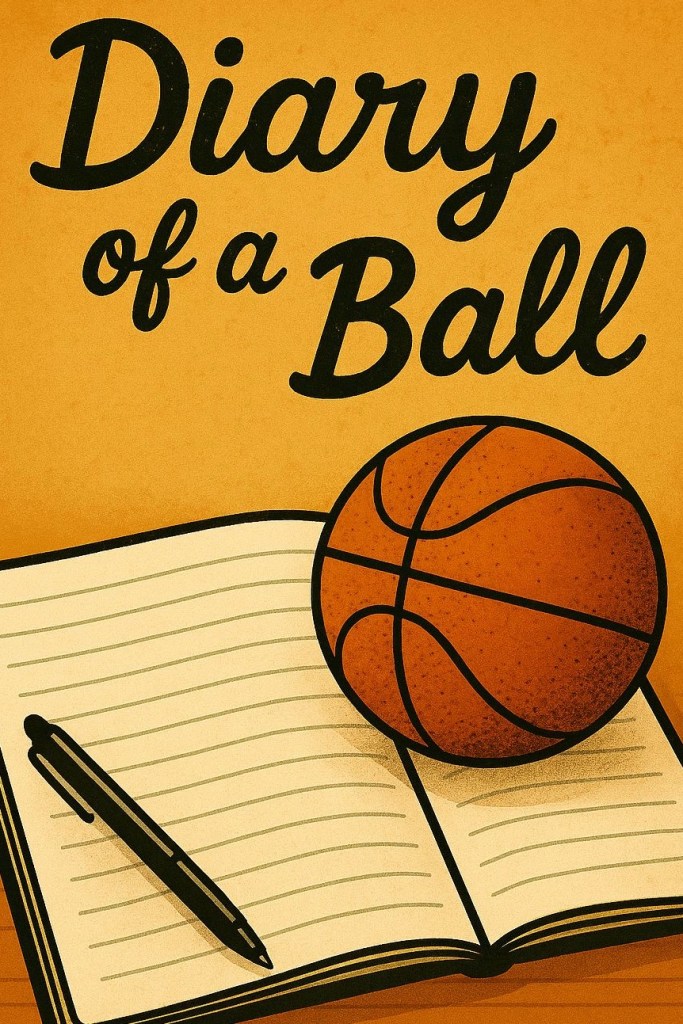
    Diary of a Ball

    Instead of asking students to reflect directly on their performance, Diary of a Ball invites them to write from the perspective of the equipment they used in class.

    It flips the task on its head — and suddenly, reflection becomes playful, imaginative, and surprisingly honest.

    Students can write as anything:

    -a basketball

    -a volleyball

    -a frisbee

    -a barbell

    -a jump rope

    -anything they touched that day

    This gives them a fresh, low-pressure lens to describe what actually happened. They’re no longer trying to evaluate themselves in an academic way. They’re narrating a story — one that just so happens to reveal their thinking.

    Instead of staring at a blank page wondering what to say, they start imagining:

    What did the ball “see” today? What mistakes would the equipment notice? What would it celebrate? What would it “wish” I’d try next time?

    Here’s the magic:

    When the equipment “speaks,” the student ends up giving an honest, thoughtful, and often beautifully reflective account of their own performance — without ever being asked to evaluate themselves directly.

    Creative voice becomes the vehicle for real reflection.

    And every so often, it sparks something even deeper.

    A colleague of mine recently used this assessment to wrap up his basketball unit. One of his students — a kid known for avoiding learning in PE and relying almost entirely on natural ability — produced what my peer described as “a near essay.” A genuinely thoughtful, detailed effort from someone infamous for treating PE as “just move and be done.”

    He wrote from the “voice” of the basketball, describing footwork, decision-making, missed cues, small victories, and even what the ball hoped he’d try differently next time.

    It wasn’t compliance.

    It wasn’t a bare-minimum attempt.

    It was authentic reflection from a student who usually shuts that door completely.

    Creative reflection made that possible.

  • Literacy Has Been in PE All Along

    Physical education is already full of literacy — long before we ever bring in a writing prompt or a structured assessment. When students explain a drill to a partner, give feedback during stations, ask why a movement feels “off,” or talk through strategy after a game, they’re practicing the exact communication, sequencing, and analytical skills every other content area is trying to develop.

    The key isn’t forcing literacy into PE.

    It’s recognizing the literacy that’s already happening, naming it, and helping students see the thinking they’re already doing.

    Because once you notice how naturally literacy shows up in PE — and how it strengthens movement, confidence, and classroom culture — everything shifts. Teachers start asking, “If this is already happening, what else can I do with it?” That’s when intentional literacy stops feeling like “one more thing” and starts feeling like something that actually helps students move, think, and learn better.

    Where Student Energy Meets Purpose

    PE has something unique that few other content areas can match: the instant connection and excitement most students bring with them the moment they walk through the door. But anyone who teaches PE knows that this energy can go one of two ways — it can scatter into chaos, or it can be channeled into something purposeful.

    Purposeful movement doesn’t start with the movement itself.

    It starts with understanding:

    What am I trying to do? Why does it matter? How can I adjust?

    That clarity doesn’t come from more drills — it comes from communication and reflection.

    This is where literacy strengthens everything we care about in PE.

    When students can describe what they see, explain what feels off, or give feedback to a partner, they’re not just talking — they’re sharpening the mental processes behind movement.

    Clear language leads to clear execution.

    If they can articulate a skill, they understand it more deeply — and that understanding improves performance.

    That’s when everything changes:

    Movement becomes sharper because they can name what needs to change. Decisions become quicker because they’ve practiced describing cues and strategies. Effort becomes more intentional because they know what they’re aiming for.

    In PE, literacy isn’t separate from movement — it’s the cognitive engine that improves it.

    The Assessment That Brings It All Together

    All of this — the natural communication happening in PE, the connection between language and movement, and the clarity that comes from explaining what we see and feel — points to one big truth:

    Some literacy-rich assessments feel intimidating to PE teachers… but others feel like they already belong in the gym.

    Coach It Up! is one of those assessments.

    It feels like an extension of what students already do: explaining, demonstrating, correcting, helping, and coaching one another. It’s a literacy-rich assessment that fits naturally into the rhythm of physical education, especially for teachers who are skeptical about adding “academic tasks” into an active space. Because in this assessment, literacy isn’t the extra part — literacy is what improves the skill itself.

    It doesn’t feel like a writing assignment disguised as PE.

    Students choose a skill — anything from dribbling to an overhand serve to squat form — and create a short tutorial teaching someone else how to do it. The beauty of this assessment is its flexibility: it can function as a unit summative assessment (focused on one of the skills learned in that specific unit) or as a class summative assessment (where students choose any skill they’ve learned throughout the course). The structure stays the same; the content shifts to meet your goals.

    Students can submit a wide range of products for this assessment. I’ve had everything from videos to posters—even digital workbooks. You’d be surprised how students show up when they’re given a little creative flexibility.

    To make their tutorial meaningful, students must identify essential steps, explain technique clearly, demonstrate proper form, anticipate and correct common mistakes, reflect on their own learning, and communicate with purpose.

    It’s literacy rooted in movement — communication that strengthens performance rather than interrupting it.

    And the best part is what happens internally. As students prepare to teach, they notice details they had skimmed over before. They connect concepts that were previously floating in the background. They begin to understand why their body moves a certain way and how to improve it.

    Their physical performance improves because their cognitive processing improves.

    For students who already love PE, this becomes a chance to refine their expertise and build their literacy skills.

    For quieter students, this becomes a chance for their voice — and their thinking — to matter just as much as their athletic ability.

    Coach It Up! turns movers into thinkers…and thinkers into better movers.


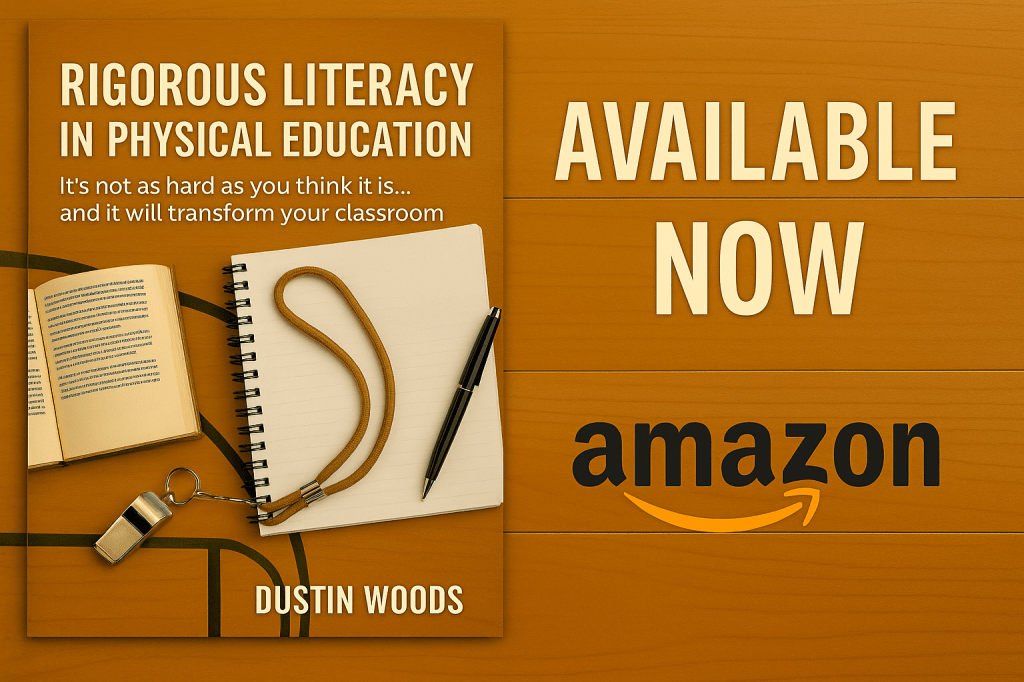
    For more literacy-rich assessments like Coach It Up!, check out my book Rigorous Literacy in Physical Education, available now on Amazon.
  • Tomorrow is the day.

    My book releases in the morning. Just like I do about my work in the classroom, I’ve reflected a lot the last several days about the journey writing it has taken me on. 

    I struggled in school. Honestly, “struggled” might be generous. I didn’t understand myself as a learner, I had no real academic self-awareness, and metacognition wasn’t even a word in my universe. I tried — I truly tried — but the traditional system never clicked for me.

    Physical education didn’t feel any different at the time. It wasn’t a place where I found inspiration or clarity — it was just another class. Run, go, do. Show up, move, then move on. No one ever explained the “why.” No one pointed to the thinking, the strategy, the science beneath it. PE, to me, was just a place for activity.

    I didn’t find the cognitive side of PE in a gym or classroom — I found it on my own. Curiosity eventually led me into exercise science, biomechanics, kinesiology… and something happened that I had never experienced in a classroom before. My brain didn’t just “light up” — it activated. Concepts clicked. Ideas connected. For the first time in my academic life, I didn’t feel like I was trying to catch up to learning — I felt like learning had finally met me where I was wired to understand it. I didn’t just feel interested; I felt capable. My mind wasn’t waking up because I suddenly “cared more,” it was waking up because I finally found a pathway that spoke my language.

    I finally discovered a version of learning that recognized me.

    That realization didn’t just change my path —

    it shaped my purpose as a teacher.

    I wanted to make sure my students didn’t have to wait as long as I did to feel seen academically. I wanted them to have the chance to discover their thinking, their voice, and their confidence within a space they already felt connected to.

    Not by stopping movement, but by pairing it with reflection, communication, and expression in ways that feel natural, relevant, and authentic to PE.

    That’s why this book exists.

    That’s why this work matters to me.

    It’s not about checking a literacy box during an observation.

    It’s about giving students who identify with movement and sport the chance to discover who they are as learners, thinkers, and communicators — right here, in our content area.

    Tomorrow, Rigorous Literacy in Physical Education goes live. The digital copy will be available, and the print release will follow shortly after.

    If even one teacher reads this book and uses it to help a student find themselves sooner than I did, it will have been worth every late night, every draft, and every moment of doubt.

    To the PE teachers who believe our space can unlock academic confidence —

    I hope this adds fuel to your fire.

  • The “Physical” in Physical Education—And Everything That Comes With It

    A few weeks ago, I had the privilege of catching up with a former student who had moved away from our school. They stopped by while in town and, after a few laughs and memories, shared something that really stuck with me.

    They told me how disappointed they were in their new PE class.

    To quote them as honestly as possible: “We don’t really learn anything anymore.”

    I’ll be honest—that hit hard. I wrestled with it for days. I was frustrated, disappointed, and honestly, a little heartbroken. This was a student who had grown so much—someone who had pushed past insecurities, developed patience with their skill development, and learned to see their own progress through reflection and understanding. And now they felt like that learning was gone.

    That conversation reminded me of something simple but powerful: the “P” in PE might stand for physical, but the “E” still matters.

    PE teachers love to remind people that the “P” stands for physical.

    And they’re right—it does. Movement is what we do. It’s our heartbeat, our home base, and the part of our day that keeps us sane.

    But sometimes we hold onto that word so tightly that we forget about the other half of our job: education.

    If every ounce of learning that happens in PE is purely physical, we’re missing something. The magic of PE isn’t just in how students move—it’s in how they think about movement. How they plan, communicate, reflect, and grow.

    That’s why so many of my units include a literacy-rich assessment built in—a way for students to show what they’ve learned not just through movement, but through reflection and communication.

    A literacy-rich assessment asks students to show what they know not just through performance, but through language—whether spoken, written, or visual. It’s an assessment where movement and communication work together.

    In PE, that might look like explaining a teammate’s defensive rotation, describing how force and balance connect in a lift, or reflecting on a decision made during a game—but it can also mean exploring movement through a different lens: describing focus, perseverance, or teamwork in ways that reveal both the physical and personal sides of performance.

    It’s literacy that’s anchored in action, but expressed through reflection.

    The goal isn’t to add writing to PE—it’s to uncover the literacy that’s already there. Every cue, strategy, and coaching conversation is a literacy moment waiting to be recognized.

    When we build assessments around that idea, something shifts. Students start to understand their own learning. They can explain why something worked—or didn’t—and connect it to bigger ideas about teamwork, mindset, and growth.

    That’s what makes an assessment literacy-rich: it bridges performance and understanding. It turns movement into meaning.

    So yes, the “P” still stands for physical.

    But maybe it’s time we truly give the “E” the attention it deserves…

  • You set up your day with the best intentions—students will come in focused, ready to learn a new skill, maybe even refine a technique you’ve been building all week.

    And then they walk through the door.

    Their minds are on one thing: play.

    The energy is great, the enthusiasm is real—but focus? That’s another story.

    That’s what makes literacy in PE so challenging. Every step we take toward reading and writing can feel—though not accurately—as if we’re stepping away from activity. Too often, our literacy efforts become time-consuming and movement-stopping, when what we really need are tools that complement both.

    I kept thinking there had to be something that could bridge the gap—something quick, meaningful, and easy to build into routine.

    Turns out, there was.

    I call them Position Cards.

    I wanted a tool that could help focus the energy during moments like this—when excitement is high, attention is scattered, and momentum could go in a dozen directions at once. The Position Cards don’t replace movement or slow things down; they simply create a brief, purposeful pause that turns energy into focus and focus into movement.

    Like I’ve always said, literacy in PE should live in the margins—woven into the transitions, discussions, and moments that serve both the student and the teacher in purpose and value.

    The Position Cards are a perfect example of that.

    What They Are

    On the surface, they’re simple—each card features a different basketball position on the front, complete with a short description of its role on the court. On the back, there’s a prompt: a quick question that gets students thinking about how their own strengths, mindset, and habits connect to that position.

    It’s a small thing, but it completely changes the tone of class. Rather than letting energy scatter or attention fade, students take a moment to think and move—to process, connect, and mentally step into the work at hand.

    What I’ve learned over the years is that students want to reflect—it’s not the act of reflecting they resist. It’s the way we often ask them to do it. Generic prompts like “What did you learn today?” rarely mean much because they’re too broad to feel relevant or personal—they don’t connect to what actually happened in class.

    The prompts on these cards change that. They give students something specific and meaningful to think about—a lens through which they can see their role, their performance, and their progress in a way that resonates. The reflection becomes less about compliance and more about relevance and connection.

    From Reflection to Routine

    As I refined my approach to student reflection, I realized I needed a tool to support one of my favorite literacy-based tasks: The Court Vision Assessment. That’s where the Position Cards came in. They help students engage with the same ideas—reflection, identity, and connection—but in smaller, daily moments throughout the unit.

    In this task, students are asked to think deeply about which basketball position best fits them—not just based on skill level, but on their natural strengths, instincts, and the way they approach the game.

    They respond to prompts like:

    Which position do you think you would be best suited for?

    Why do you feel this position fits your skills, strengths, and personality?

    What qualities or abilities do you have that would help you succeed in this position?

    From day one, students frame everything they do through the lens of the Court Vision Assessment. Sure, we’re focused on learning basketball skills—but when that work’s grounded in reflection, their thinking gets sharper, more personal, and way more meaningful. By the end of the unit, they pull it all together in the full Court Vision Assessment—a written reflection that connects their physical growth to the mental side of the game.

    The Position Cards can be used throughout the unit, alongside other literacy tools, to keep that reflective habit in tune. Students begin to look at the game differently. They not only recognize their own growth, but develop a stronger appreciation for the diverse skills and efforts of those around them.

    Even the experienced players benefit. They already know the positions and understand the flow of the game, but the literacy piece challenges them in a new way—it asks them to put language to what they already do intuitively. They practice giving context to their decisions, describing their actions with precision, and using sport-specific vocabulary to explain the why behind their play.

    That’s when the classroom starts to change—not just in skill, but in mindset.

    From “I’m Not an Athlete” to “Where Do I Fit?”

    Every PE teacher knows the line:

    “I’m not an athlete.”

    “I’m not good at this.”

    That mindset is one of the hardest battles we fight. The Court Vision Assessment and Position Cards work together to flip that script.

    Instead of deciding whether or not they “fit” in a sport, students start asking where they fit. They reflect on their natural strengths, their mindset, and their physical abilities. Maybe they see themselves as the quick defender who anticipates plays before they happen, the rebounder who thrives in physical matchups, or the playmaker who reads the floor and creates opportunities for others.

    That small reframing—from if I belong to how I belong—builds confidence, inclusion, and genuine engagement.

    I’ve watched this play out in a lot of my classes, but one student’s story captures it perfectly.

    At the beginning of the unit, she was quiet, cautious, and hesitant to call herself “an athlete.” But as she began exploring the different roles—seeing that each position demanded unique abilities, mindsets, and forms of leadership—something shifted.

    By the end of the unit, she wasn’t just participating in basketball; she was invested in it. She understood the game, her place within it, and her ability to contribute to her team. The literacy work—reading, writing, discussing, reflecting—gave her a vocabulary for confidence. She didn’t just learn to play the sport. She learned to see herself in it.

    That’s the kind of shift literacy can create when it’s embedded with purpose—students stop performing for the sake of activity and start performing with meaning.

    Beyond Basketball

    While this set focuses on basketball, the idea behind it applies to any team sport. The concept of “positions” exists everywhere—volleyball, soccer, football, even ultimate frisbee. Every game has roles, responsibilities, and spaces where different strengths shine.

    That’s what makes this tool so versatile. Once students understand the structure—read, reflect, discuss—it can be adapted for any unit. The key isn’t the sport; it’s the thinking it sparks.

    Why It Works

    ✅ Engagement:

    High energy isn’t the enemy—it’s a resource. The Position Cards channel that energy into focus, giving students a mental cue before a physical task. That quick shift from chaos to curiosity helps set a productive tone for everything that follows.

    ✅ Literacy:

    Each card connects reading, writing, and verbal reasoning to movement. Students read position descriptions, discuss their reasoning with peers, and write short responses explaining their fit—all tasks that mirror academic literacy practices. In doing so, they build vocabulary, practice descriptive and analytical writing, and learn to communicate ideas with clarity and evidence—skills that transfer far beyond PE. And in doing so, they also deepen their engagement in the physical tasks of PE—improving performance, precision, and confidence as their connection to the sport grows stronger.

    ✅ Confidence:

    By reflecting on what they can do rather than what they can’t, students redefine success. They start to see value in their strengths, contributions, and decision-making—no matter their skill level or athletic background.

    ✅ Culture:

    Routine reflection creates buy-in. When students expect to think, respond, and share ideas, literacy becomes a normal part of the flow of class rather than an interruption. Over time, that habit builds a culture of ownership and respect.

    ✅ Versatility:

    The format is easy to adapt for any team sport—or even non-team settings like fitness circuits or cooperative games. Once students understand how to think about roles, effort, and contribution, the same reflection framework applies anywhere movement happens.

    These cards are just one example of how literacy can bring clarity, confidence, and connection to PE.

    In Rigorous Literacy in Physical Education, you’ll hear stories just like this one—of students who found their voice, their place, and their motivation through meaningful literacy work in PE. The book also provides a full overview of the Court Vision Assessment, along with a variety of classroom tools—like the Position Cards—that support and extend it. Together, they show how reflection, writing, and movement can work in harmony to build confidence, clarity, and connection in the gym.

    The book releases November 1, with digital pre-orders available now.

  • In PE and strength training, we’re always asking students to reflect on their performance. Too often, that ends up being a vague question and a half-hearted response.

    The Film Room—and its weight room counterpart, the Gains Board—change that. They give students a central space to pause, think, and respond to more meaningful prompts. The best part? It sneaks literacy into the flow of class without stealing time away from movement.

    A Small Story, A Big Takeaway

    One of my students this year comes from a multilingual background. Her language skills are stronger than many of her dual-language peers, but like a lot of students learning in more than one language, vocabulary can be a real challenge—especially in strength and conditioning, where language plays a major role in how we describe movement, effort, and form.

    When teaching strength training, vocabulary isn’t just “extra”—it’s essential. It’s how students process what a lift should feel like or where they should be generating effort. So, when she was asked to respond to a Gains Board prompt about which part of the bench press she struggled with most, her response stood out:

    “It’s hard for me because I don’t have too much force.”

    The prompt had asked her to identify a part of the lift—she chose “bar path.” But her explanation revealed something deeper. In follow-up conversations, we unpacked that what she really meant was that her lack of strength made it difficult for her to maintain a straight bar path both lowering and pressing the bar.

    Her choice of the word force wasn’t technically wrong—it was actually pretty insightful. It showed that she understood, in her own words, the relationship between strength, control, and physics in the movement. And it reminded me how critical vocabulary is in PE: not just the teacher’s vocabulary, but the student’s.

    That single response gave me a clearer picture of what she was experiencing and helped me coach her better. It also reinforced how literacy tools like the Gains Board can help students—especially multilingual learners—express understanding and connect language to performance.

    How to Build It Into Your Routine

    Post your board somewhere visible—by the whiteboard, near the entrance, or wherever students naturally pass. Ask them to add their responses before class, after class, or during quick breaks. Once the habit sets in, it becomes part of the rhythm and culture of your classroom.

    The prompts don’t need to be too complicated. Examples:

    “Which part of the squat do you find the most challenging—depth, foot placement, or core stability? Why?”

    “When training endurance, which factor challenges you most—pace, consistency, or recovery?”

    “In soccer, which skill feels toughest right now—passing accuracy, trapping, or spacing?”

    “During gameplay, which area is hardest to balance—team communication, positioning, or decision-making?”

    You’ll be amazed at how much students reveal—both about their performance and about their understanding of key vocabulary.

    One Fun Note

    This past week, the wall where my Gains Board typically hangs was being repainted, so I had to take it down. By the second day, students started asking where it went. A few called me out for not updating the weekly question, and one even asked—dare I say it—with the kind of disappointed tone that only comes when a routine has become something students actually look forward to.

    For a tool that many PE teachers assume students would resist—because “they don’t like to write in PE”—it’s become a genuine part of our class culture. The truth is, when literacy feels relevant, students don’t fight it. They expect it. And when it’s gone, they miss it.

    Honestly, that might be the biggest gain of all.

  • Welcome to The PE Literacy Playbook!

    If you’ve landed here, chances are you care about teaching, movement, or maybe a little bit of both. My name is Dustin Woods, and I’m a physical education and health teacher who has spent the better part of the last decade trying to answer one simple question:

    How do we make PE more than just movement?

    For me, that question led to a professional (and personal) obsession with literacy—reading, writing, reflection, and communication—and how those skills can live naturally inside a gym, weight room, or field.

    Yes—movement is the primary focus of physical education. It’s where everything starts. But I’ve always believed that if movement is all we focus on, we miss the deeper learning that makes PE meaningful. PE can be a space where thinking, communication, and reflection live right alongside fitness and skill development—where movement becomes the vehicle for learning, not the end of it.

    Over the years, I’ve built and experimented with ways to make literacy feel natural in PE—creating opportunities for students to pause, reflect, and put their learning into words. Whether it’s a quick written reflection, a short discussion, or a visual prompt that gets them thinking, the goal has always been the same: to help students connect movement to meaning.

    That work eventually evolved into my book, Rigorous Literacy in Physical Education, which officially releases on November 1. The book dives into the how and why behind making literacy in PE both authentic and engaging—by a PE teacher, for PE teachers.

    But this site isn’t just about the book.

    It’s about the ongoing conversation.

    Here, I’ll be sharing longer reflections, behind-the-scenes classroom stories, and practical tools for teachers who want to push their craft a little further. Some posts will be big-picture—how we think about culture, equity, and engagement. Others will be simple, usable ideas you can try tomorrow.

    But this site will also take a step back to look at the bigger picture of physical education—the evolving culture of our field. We’ll talk about what it means to teach movement in a modern world, how PE can balance fun with rigor, and how we can challenge outdated stereotypes about what our classrooms should look and feel like.

    I also want this to be a space for honest reflection about the profession itself—our wins, our frustrations, and the daily realities that make PE such a unique, sometimes misunderstood, but incredibly impactful place to teach.

    If you’re a PE teacher, coach, admin, or anyone who believes movement is an academic pursuit in its own right—I’m glad you’re here.

    Welcome to The PE Literacy Playbook.

    Let’s rethink what learning can look like in motion.